Exploring the Great Outdoors: Trends and Insights for the Modern Traveler
In recent years, the outdoor and travel industry has witnessed a significant transformation, driven by evolving consumer preferences and a growing awareness of sustainability. As we delve into the latest trends and statistics, it becomes clear that the way we explore the great outdoors is changing, with a focus on budget-friendly, eco-friendly, and DIY travel experiences.
According to a recent survey by the Outdoor Industry Association, 7 in 10 Americans engage in outdoor activities, with hiking, camping, and biking topping the list. This surge in interest has led to a remarkable increase in outdoor recreation spending, which reached $887 billion in 2021, reflecting a 20% increase from the previous year. This data underscores a pivotal shift in consumer behavior, as more individuals prioritize experiences over material possessions.
Key Insight: The growing inclination towards outdoor activities indicates a robust market opportunity for businesses that cater to eco-conscious travelers and budget-minded adventurers.
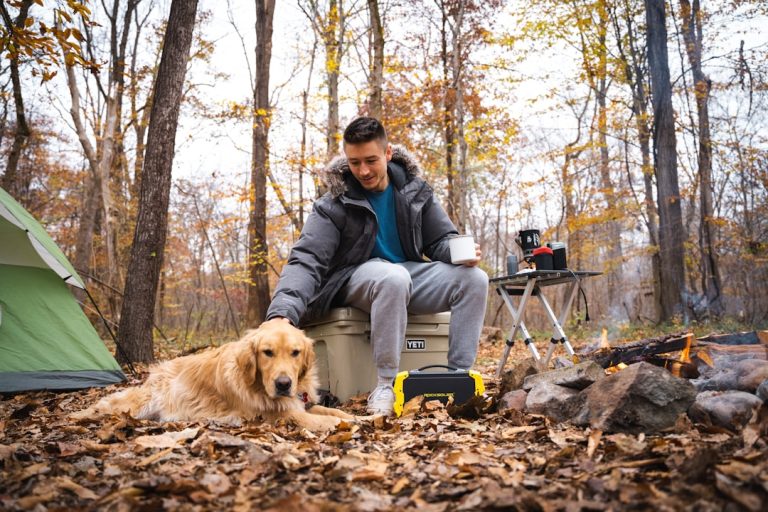
Budget-friendly travel has become a cornerstone of modern exploration. With the rising costs of traditional vacations, many travelers are seeking affordable alternatives that allow them to connect with nature without breaking the bank. Camping has emerged as a popular choice, with the North American Camping Report revealing that 48% of campers plan to increase their camping frequency in the coming years. This trend highlights the appeal of camping as a cost-effective way to enjoy the outdoors while fostering a sense of community and adventure.
Moreover, the DIY travel movement is gaining momentum, as travelers increasingly seek personalized experiences that reflect their unique interests and values. The rise of platforms like Airbnb and Hipcamp has empowered individuals to create their own itineraries, allowing for greater flexibility and creativity in travel planning. This shift towards DIY travel is not only budget-friendly but also encourages travelers to explore lesser-known destinations, thereby reducing the pressure on popular tourist hotspots.
Sustainability is another critical factor shaping the outdoor travel landscape. A report from the Adventure Travel Trade Association indicates that 87% of travelers are willing to pay more for sustainable travel options. This statistic reveals a growing consciousness among consumers regarding their environmental impact, prompting businesses to adopt eco-friendly practices. From using biodegradable products to supporting local communities, the demand for sustainable travel experiences is reshaping the industry.
As travelers become more environmentally aware, the concept of “leave no trace” has gained traction. This principle encourages outdoor enthusiasts to minimize their impact on natural environments, fostering a culture of respect and responsibility. Outdoor brands are responding to this trend by developing products that promote sustainability, such as reusable water bottles, eco-friendly camping gear, and biodegradable toiletries.
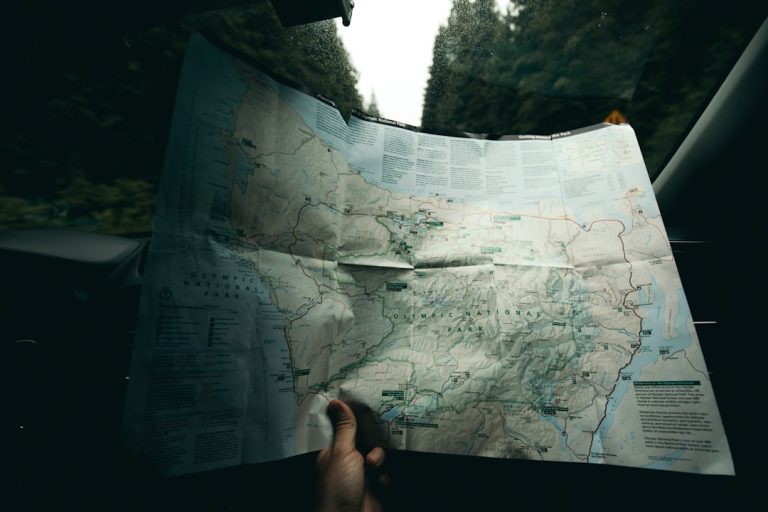
In addition to sustainability, technology is playing a significant role in the evolution of outdoor travel. The integration of mobile apps and digital platforms has made it easier for travelers to access information, plan trips, and connect with fellow adventurers. For instance, apps like AllTrails provide users with detailed trail maps, user reviews, and real-time updates, enhancing the overall outdoor experience. This technological advancement not only improves safety but also encourages more people to explore the outdoors.
The future of outdoor travel is also being influenced by the rise of wellness tourism. As individuals seek to escape the stresses of daily life, outdoor activities that promote physical and mental well-being are becoming increasingly popular. Activities such as yoga retreats in nature, guided meditation hikes, and wellness-focused camping experiences are gaining traction, appealing to those looking to rejuvenate their minds and bodies.
In conclusion, the outdoor and travel industry is undergoing a remarkable transformation, driven by budget-friendly options, a commitment to sustainability, and the rise of DIY travel experiences. As consumers continue to prioritize experiences over material goods, businesses that adapt to these changing preferences will thrive in this evolving landscape. The data suggests a promising future for outdoor travel, with opportunities for innovation and growth in a market that values connection, adventure, and environmental stewardship.